

Cell Vitality
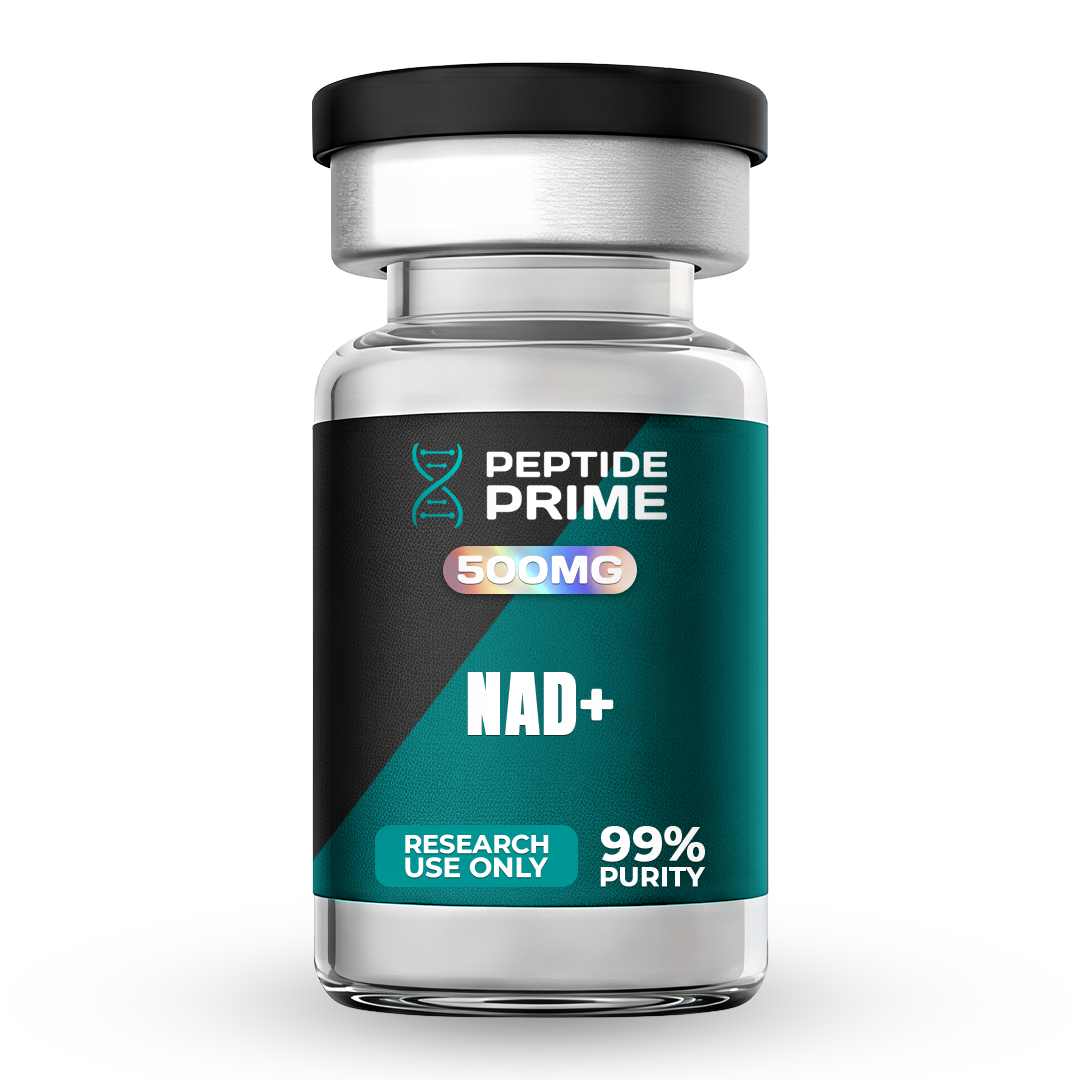
NAD+ 500mg
£25.00
In stock
NAD+ (Nicotinamide Adenine Dinucleotide) is a naturally occurring coenzyme widely studied for its role in cellular energy production, mitochondrial function, and metabolic regulation. Widely used in studies of mitochondrial health, DNA repair, healthy aging, and cellular metabolism, NAD+ is a trusted choice for researchers investigating the biological mechanisms that support cellular function and longevity.
>99% Purity
3rd Party Tested
Fast UK Delivery
Secure Payment
>99% Purity
Our peptides are lab-tested for purity and potency, ensuring you get the highest quality every time.
3rd Party Tested
Every batch is independently tested for safety, purity, and accuracy.
Fast UK Delivery
Discreet and reliable delivery across the UK, so you can get your peptides quickly and securely.
Secure Payment
Your information is protected with advanced encryption and trusted payment providers.
NAD+ (Nicotinamide Adenine Dinucleotide)
NAD+ (Nicotinamide Adenine Dinucleotide) is a naturally occurring coenzyme found in every living cell, where it plays a fundamental role in cellular energy production and metabolic function. As an essential electron carrier, NAD+ participates in numerous biochemical reactions involving mitochondrial respiration, ATP synthesis, DNA repair, and cellular signaling. Due to its central role in cellular physiology, NAD+ has become a major focus of research investigating aging, metabolism, mitochondrial health, and cellular resilience.
Unlike compounds that target a single biological pathway, NAD+ functions as a critical cofactor for hundreds of enzymatic reactions throughout the body. It serves as a substrate for enzymes including sirtuins, PARPs (poly ADP-ribose polymerases), and CD38, which regulate processes involved in genomic stability, oxidative stress responses, inflammation, and energy metabolism. These characteristics have made NAD+ an important research molecule for studying longevity, metabolic adaptation, neurobiology, and age-related cellular decline.
Overview
NAD+ continues to be extensively investigated for its role in supporting mitochondrial function, cellular metabolism, and biological aging. Research suggests that intracellular NAD+ concentrations influence numerous signaling pathways responsible for energy production, DNA maintenance, oxidative stress management, and cellular repair. Experimental studies have demonstrated that declining NAD+ levels may be associated with aging and impaired metabolic function, prompting significant interest in strategies that maintain or restore cellular NAD+ availability.
Beyond its metabolic functions, researchers have examined NAD+ for its potential involvement in neurological health, cardiovascular function, muscle physiology, and immune regulation. Laboratory and preclinical investigations continue to explore how NAD+-dependent pathways contribute to cellular resilience under conditions of oxidative stress, inflammation, and metabolic dysfunction. Scientists also continue investigating its broader applications in healthy aging, neurodegenerative disorders, and tissue repair, although these areas remain under active investigation.
Chemical Makeup
- Molecular Formula: C21H27N7O14P2
- Molecular Weight: 663.43 g/mol
- Other Known Titles: Nicotinamide Adenine Dinucleotide, β-NAD+, Oxidized NAD
Research Studies and Clinical Trials
Cellular Energy Metabolism
NAD+ has been extensively studied for its essential role in mitochondrial energy production. As a key coenzyme in redox reactions, NAD+ facilitates electron transfer during glycolysis, the citric acid cycle, and oxidative phosphorylation. Researchers continue to investigate how maintaining NAD+ availability may influence mitochondrial efficiency and overall cellular energy metabolism.
Healthy Aging and Longevity Research
One of the most active areas of NAD+ research involves its relationship with biological aging. Experimental studies suggest that declining NAD+ levels may contribute to age-related reductions in mitochondrial function, DNA repair capacity, and cellular resilience. Investigators continue to explore how NAD+-dependent pathways, particularly those involving sirtuin enzymes, may regulate longevity and healthy aging processes.
DNA Repair and Cellular Maintenance
NAD+ serves as an essential substrate for PARP enzymes involved in DNA damage detection and repair. Research has demonstrated that adequate NAD+ availability supports genomic maintenance and cellular recovery following oxidative or metabolic stress. These findings have made NAD+ an important research molecule for investigating mechanisms of cellular integrity and resilience.
Neurobiology and Metabolic Research
NAD+ has also been studied for its potential role in supporting neuronal function, metabolic regulation, and cellular adaptation. Experimental models suggest that NAD+-dependent enzymes influence inflammatory signaling, oxidative stress responses, and neuronal energy metabolism. Ongoing research continues to examine its broader role in central nervous system function, metabolic health, and age-associated physiological changes.
Disclaimer: This NAD+ product is intended for laboratory and research purposes only. It is not approved by the FDA or other major health authorities for therapeutic or clinical use. This description is provided for informational purposes based on current scientific research and does not constitute medical advice.
Research Use Only
All products in this site are exclusively intended for laboratory research purposes only.


